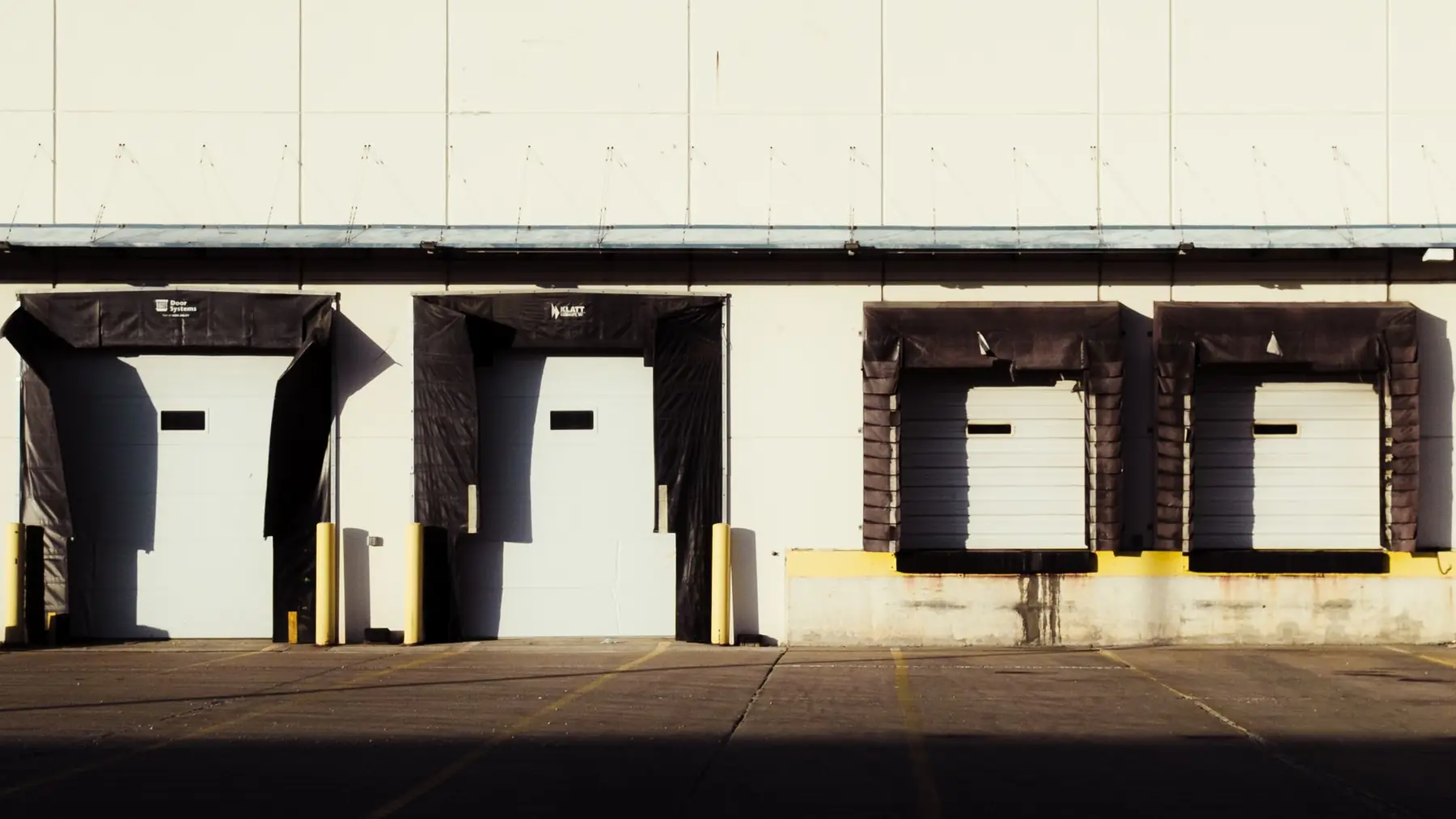
 IND
INDIndustrial and flex
Owner-occupied or multi-tenant
The core of owner-occupied lending. Generic clear-span space with dock access resells easily, which is why lenders price it kindly.
How it underwritesBay directory
Nine bays, one building
A website demonstration. Bollard is a fictional lender — no office, no licence numbers, and no figure on this site is an offer.
Owner-occupied commercial lending
Most commercial lenders underwrite a rent roll. We underwrite the business standing in the building — SBA 504 and 7(a), conventional owner-user debt, bridge and construction. The premises stop being an expense and start being an asset on your own balance sheet.
The stack
SBA 504, at a glance
Drag to size a project. Bank first at 50%, debenture at 40%, your equity at 10%.
Conventional at 70% would ask $798,000 instead.
Full modelWhy this desk exists
A business signing its third five-year renewal has usually paid for the building once already. Owner-occupied finance exists so that money buys an asset instead of a receipt — and the rule that unlocks it is simpler than most people expect.
The occupancy test
51%
Occupy at least fifty-one percent of an existing building and the SBA programmes open up: ten percent equity, a bank first mortgage at half the project, and a twenty-five year fixed second behind it. New construction asks for sixty percent instead.
Seven bays of twelve — 58%. Comfortably over, which is where you want to be, because the test is audited rather than estimated.
Global cash flow, not a rent roll. A strong operating company can buy a building a lender would not otherwise lend against.
The bank takes the safest half at fifty percent leverage. The debenture behind it is fixed for twenty-five years. Both close on the same day.
The difference between ten and thirty percent down on a $2.66M project is $532,000 — money that is still working for you.
Illustrative only. Bollard is a fictional business built as a website demonstration — the figures below are worked examples, not an offer, a quote or a rate sheet.
Programs
Every programme below has a shape it fits and a shape it does not. The pages say both, because a lender that only lists what a product can do is selling rather than advising.
Property types
Two identical businesses buying two identical-looking buildings get different answers, because resale market, environmental history and fit-out cost all sit inside the credit decision.
1 of 9
INDOwner-occupied or multi-tenant
The core of owner-occupied lending. Generic clear-span space with dock access resells easily, which is why lenders price it kindly.
How it underwrites MED
MEDOwner-occupied
Practice credit is strong and sticky, and the fit-out is expensive, so the building and the equipment are usually one project.
How it underwrites F&B
F&BOwner-occupied
Treated as special-purpose almost everywhere, which raises the equity requirement rather than closing the door.
How it underwrites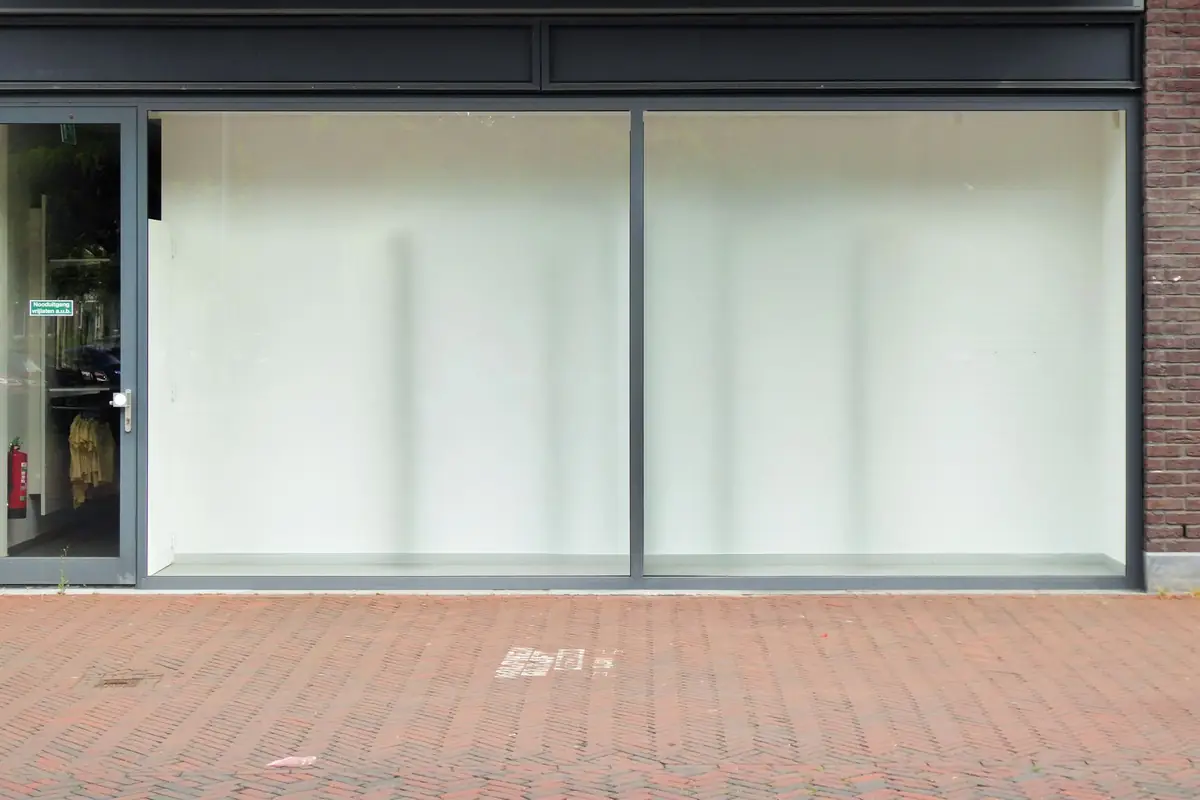 RET
RETOwner-occupied or partly leased
Common shape: the owner occupies the ground floor and leases the rest. The 51% test then does real work.
How it underwrites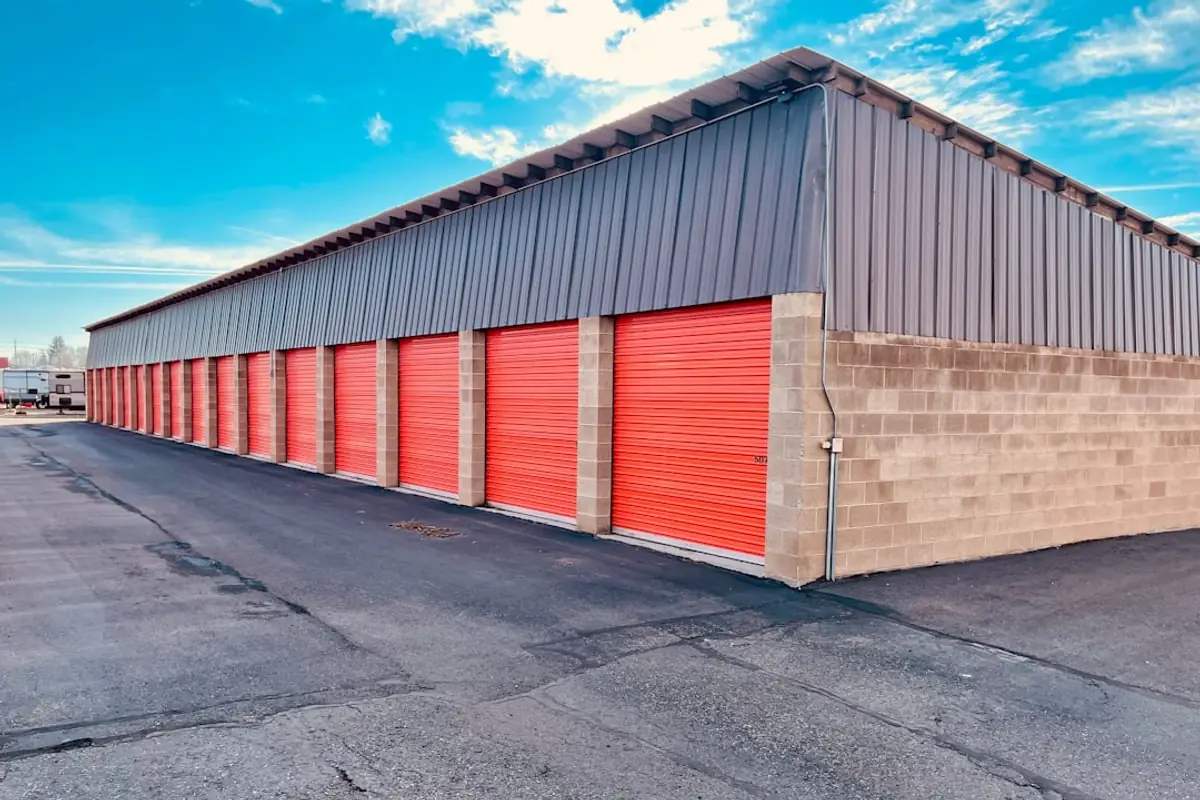 STG
STGOwner-operated business
A business wrapped in a building. Lenders underwrite the operation — occupancy, rate per square foot, churn — and not just the dirt.
How it underwrites AUT
AUTOwner-occupied
Strong owner-user category with an environmental file attached. Lifts, bays and paint booths are the value.
How it underwrites EDU
EDUOwner-occupied
Licensed use, which means the building and the permit are one asset. Financeable, with a longer diligence tail.
How it underwrites OFF
OFFOwner-occupied or partly leased
The category the market is most cautious about. Owner-occupied small office still finances well; speculative office does not.
How it underwrites MFR
MFRInvestment
Not owner-occupied lending, and included honestly: many of the businesses we work with hold a small apartment building in the same family entity.
How it underwritesSizing
Ask how large a loan a building supports and any lender runs the same three calculations. Knowing which one binds is the difference between negotiating the price and negotiating the structure.
LTV
Loan over the lower of price and appraised value. A collateral test — it says nothing about whether the building pays for itself.
DSCR
Net operating income over annual debt service, usually tested at a rate above the one you are paying.
DY
Income over loan. It ignores rate and appraisal entirely, which is exactly why it binds when the other two flatter a deal.
Build net operating income from the rent roll, set the leverage, coverage and debt-yield floors, and read all three answers at once — with the gap to the next constraint, which is where the negotiating room lives.
Calculators
Six models built for income property and owner-occupied debt — not a residential payment widget with the labels changed. Every input lives in the URL, so a result is a link.
What does a three-part capital stack actually cost me each month?
Open 02How large a loan does this property actually support, and which test stops it?
Open 03What is left on the day this loan matures?
Open 04Is buying the building better than renewing the lease?
Open 05What does short-term money cost me before the take-out?
Open 06Does this refinance pay back before I sell or mature?
OpenIllustrative closings
This site publishes no client quotes and no photographs of people described as customers. What it publishes instead is six worked structures, invented in full and labelled on every plaque.
SBA 504IL-2401 · Kansas City metro
Eleven years in leased space, two expansions inside it, and a landlord who wanted a five-year renewal at a number that read like a purchase price. The project financed the building, a new dock leveller and the racking in one 504.
74 days from term sheet to funding
An invented worked example built to show how this structure behaves. No client, no closing, no testimonial.
How this programme worksBridge to 504IL-2402 · Wichita, KS
A vacated warehouse two blocks from the buyer’s existing shop, priced to move and available to whoever could close first. The bridge funded on day eighteen and was taken out by the permanent 504 in month eight, as underwritten.
18 days to funding
An invented worked example built to show how this structure behaves. No client, no closing, no testimonial.
How this programme worksSBA 7(a)IL-2403 · Omaha, NE
A retiring owner, an associate with eight years in the chair, and a building nobody wanted to separate from the practice. One note covered goodwill, real estate, two operatory rebuilds and ninety days of working capital.
68 days
An invented worked example built to show how this structure behaves. No client, no closing, no testimonial.
How this programme worksConstructionIL-2404 · Springfield, MO
Nothing on the market had the power service the operation needed, and the land next door was already theirs. Twelve monthly draws against a schedule of values, an interest reserve inside the loan, and conversion at certificate of occupancy.
96 days to close, 14 months to convert
An invented worked example built to show how this structure behaves. No client, no closing, no testimonial.
How this programme worksHow closing works
The stage that goes wrong is almost never the one borrowers worry about. Here is the whole run, including where it stalls and whose job it is to stop that.
01Day 0 – 3
A conversation and a one-page picture of the deal. No credit is pulled, nothing is ordered, and nothing is promised.
Where it stallsNothing stalls here. This is the cheapest stage to be told no in, which is why it exists.
02Day 3 – 10
The three tests get run — leverage, coverage, and the programme rules — and the deal takes a shape.
Where it stallsUndocumented equity. A number in an account is not a source until someone can trace it.
03Day 10 – 20
Rate, term, amortisation, prepayment, guarantees and conditions — in writing, with the conditions in the same size type as the rate.
Where it stallsA term sheet nobody reads past line four. The conditions are where the closing date actually lives.
04Day 20 – 45
Appraisal, environmental, title, survey, and the insurance binder. This is the longest stretch and the least controllable.
Where it stallsEnvironmental. A prior dry cleaner, a fuel tank or a repair shop can add two to four weeks, and the only defence is starting early.
05Day 45 – 70
Full underwriting against the completed file. On a 504 the CDC runs its own approval in parallel with the bank’s.
Where it stallsA drip-feed of conditions. If your lender sends four emails a week with one item each, the file is not being run.
06Day 70 – 90
Documents, the settlement statement, and the keys. On a 504 the debenture funds after closing on a monthly schedule, which is normal and should never be a surprise.
Where it stallsWire timing and a settlement statement seen for the first time at the table.
Field notes
Four pieces on the mechanics that decide deals — the occupancy rule, the balloon, the binding constraint, and what ten percent down actually costs.
 Programme rules · 6 minThe occupancy rule decides more of your deal than the rate doesFifty-one percent is not paperwork. It is the line between two entirely different lending markets, and most borrowers meet it after they have already made an offer.Read
  Structure · 5 minYour balloon is not a detailA twenty-five year schedule with a seven-year maturity leaves most of the loan outstanding at the end. That number belongs on the first page of the term sheet, not the fourteenth.Read Underwriting · 7 minThree tests size your loan. Only one of them is bindingLTV, debt service coverage and debt yield are computed independently, and the smallest answer wins. Knowing which one bound tells you exactly what to fix.Read
 Next bay
A twenty-minute conversation is usually enough to know whether a deal works, which programme fits, and what your equity actually supports.
Or call the desk
(816) 555-0142Monday to Friday, 8am – 6pm Central
A demonstration number in the range reserved for fiction. It does not ring anywhere.
Light, dark, or whatever the device says
System follows your operating system setting and changes with it. Both themes are drawn separately — the dark one is not an inversion.
Colour schemes
Three bands: senior debt, mezzanine, equity. Every scheme is contrast-checked in both themes before it is offered.
Reading and motion
Text size
Reduce motion starts switched on if your device asks for it. It stops the dust field, the shutter, the scroll-driven reveals and every transition — it is the same switch the site obeys from your system.
Studio controls
Rebrand the demonstration live, then copy the link — the whole configuration travels in the URL.