Property types
What the building is
changes everything
Two businesses with identical financials, buying buildings at the same price, can get materially different answers. Resale market, environmental history, fit-out cost and licensing all sit inside the credit decision — and they belong to the property, not to you.
Owner-occupied or multi-tenant
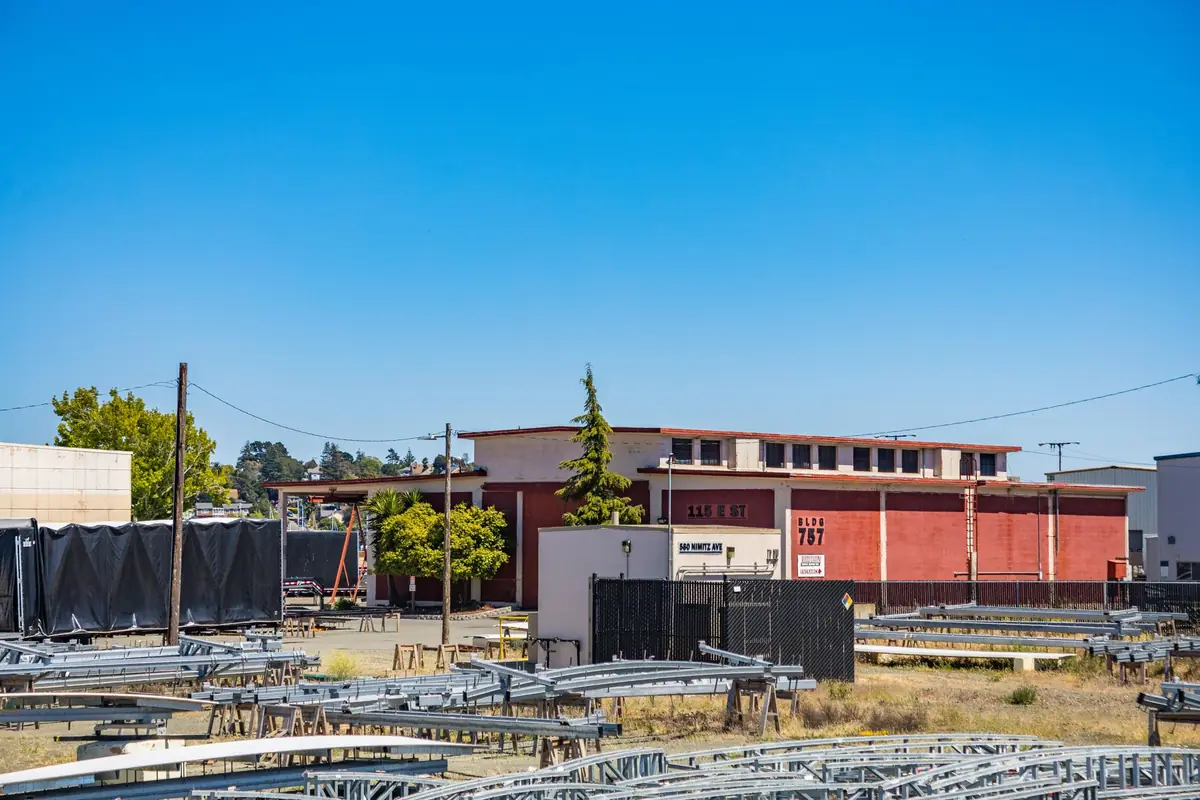
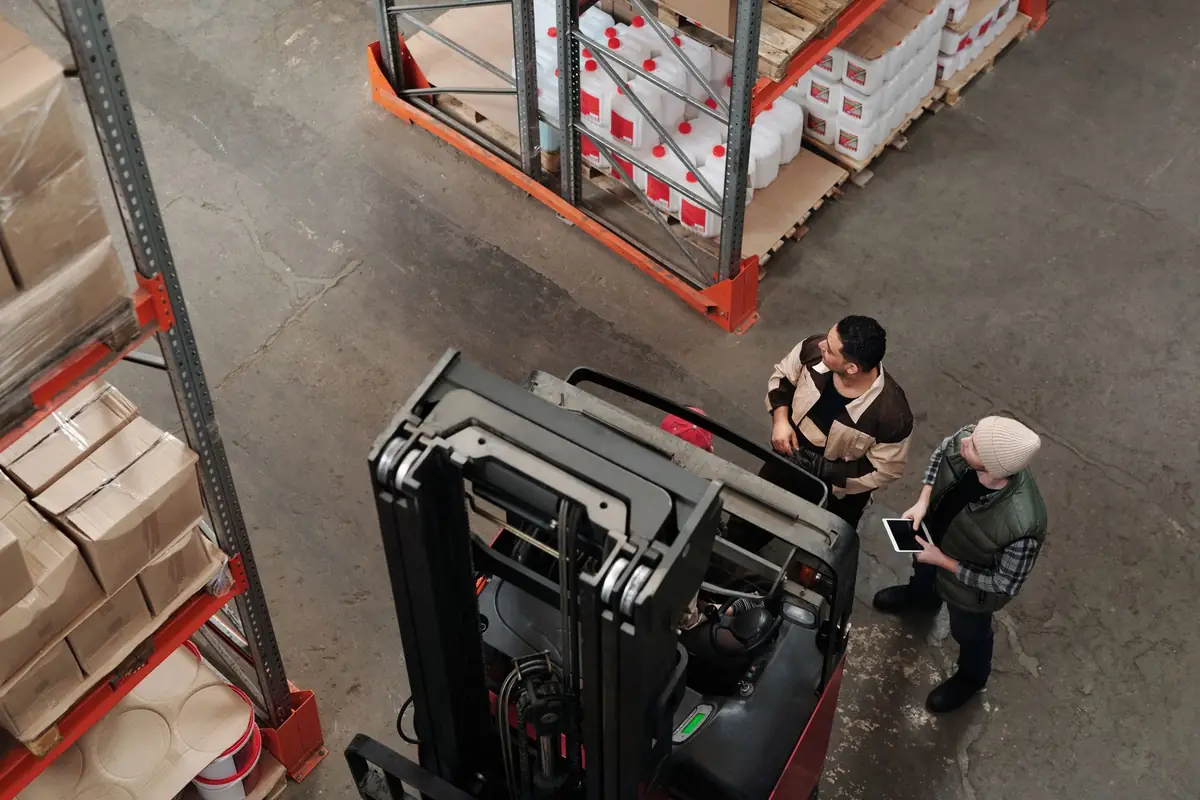
Industrial and flex
The core of owner-occupied lending. Generic clear-span space with dock access resells easily, which is why lenders price it kindly.
What an underwriter measures
Clear height, dock and drive-in doors, power service, column spacing, yard and truck court depth.
Watch for
Deep specialisation — heavy cranes, deep pits, cold storage — moves a building toward special-purpose and toward more equity.
- Typical equity
- 10% (SBA) · 25–30% (conventional)
- Amortisation
- 20–25 years
- Environmental
- Phase I as standard; prior use decides whether it stops there
Owner-occupied
Medical, dental and veterinary
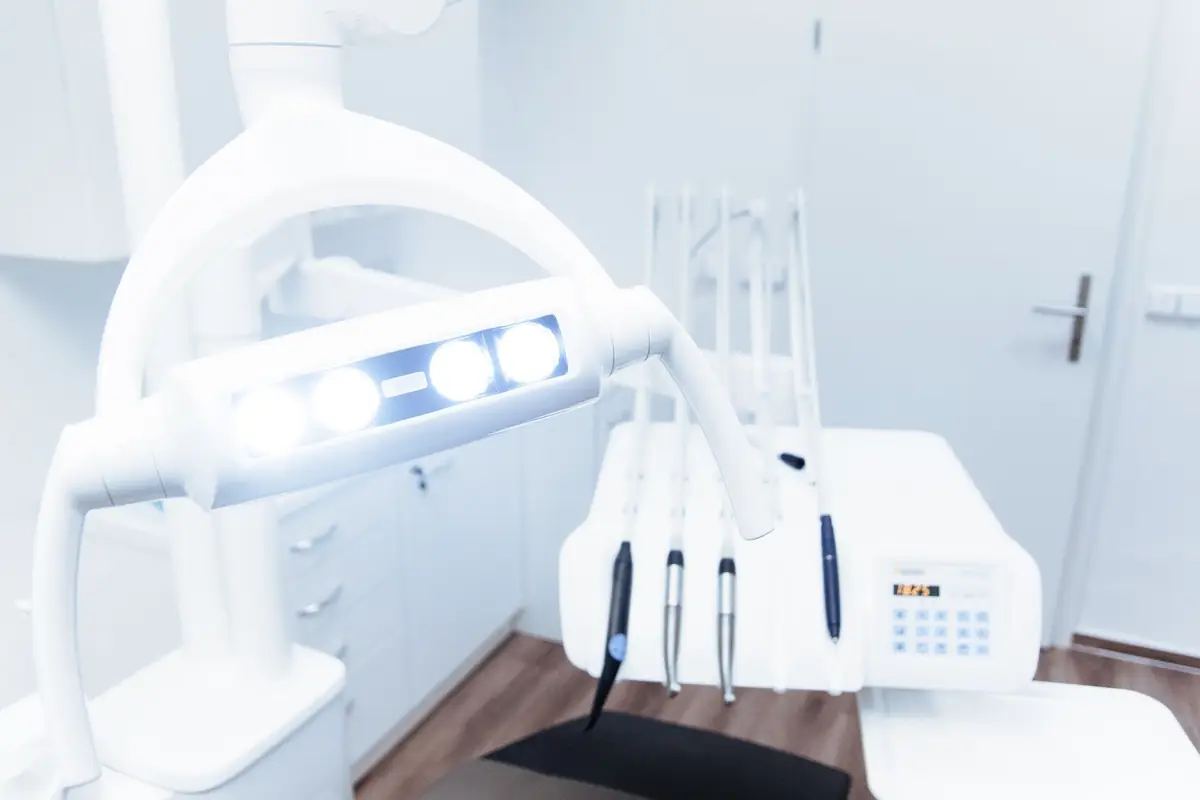
Practice credit is strong and sticky, and the fit-out is expensive, so the building and the equipment are usually one project.
What an underwriter measures
Practice collections, provider count, patient mix, the age of the existing fit-out, and the cost to replicate it.
Watch for
A fit-out that only suits one specialty narrows the resale market. Lenders read that as special-purpose.
- Typical equity
- 10–15%
- Fit-out inside the project
- Yes — long-life improvements are eligible costs
- Common structure
- 504 for the building, 7(a) when a practice purchase is attached
Owner-occupied
Restaurant and food service
Treated as special-purpose almost everywhere, which raises the equity requirement rather than closing the door.

What an underwriter measures
Trailing revenue, food and labour cost lines, lease history, and whether the equipment conveys.
Watch for
Hood, grease and ventilation systems date fast. A building with a good one is worth real money; a building with a failing one is a budget item.
- Typical equity
- 15% — special-purpose treatment
- Equipment
- Financeable inside the project when it is long-lived and affixed
- Environmental
- Usually light, unless there is a fuel history on site
Owner-occupied or partly leased
Retail and mixed-use
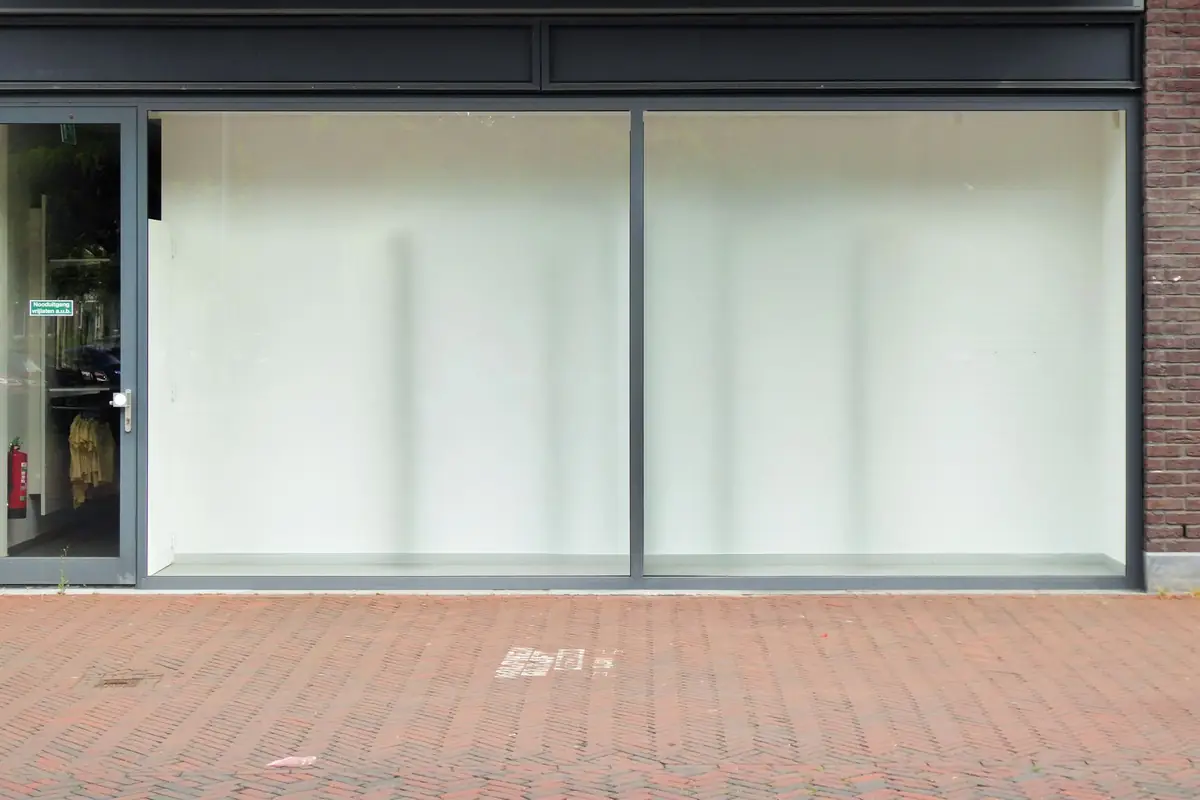
Common shape: the owner occupies the ground floor and leases the rest. The 51% test then does real work.
What an underwriter measures
Owner occupancy share, tenant leases behind it, street position, and parking.
Watch for
If leased space is more than half the building, the owner-occupied programmes are out and it is an investment file.
- Occupancy test
- 51% of an existing building must be owner-used
- Leases
- Estoppels and a rent roll for the tenanted portion
- Amortisation
- 20–25 years
Owner-operated business
Self-storage
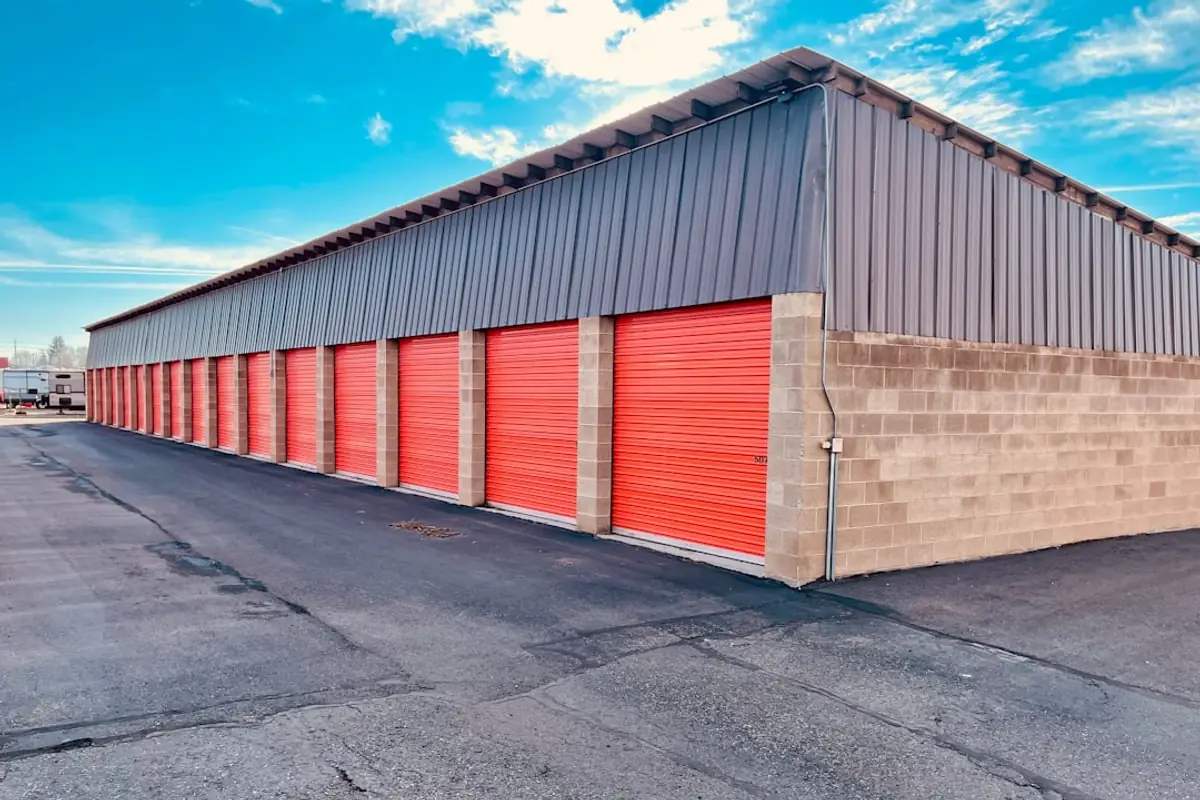
A business wrapped in a building. Lenders underwrite the operation — occupancy, rate per square foot, churn — and not just the dirt.
What an underwriter measures
Unit mix, physical and economic occupancy, street rates against the submarket, and management platform.
Watch for
Economic occupancy well below physical occupancy means concessions are holding the rent roll up.
- Typical equity
- 15–25%
- Lease-up deals
- Bridge first, permanent at stabilisation
- Expense ratio
- Underwritten, not accepted as presented
Owner-occupied
Auto service and collision
Strong owner-user category with an environmental file attached. Lifts, bays and paint booths are the value.
What an underwriter measures
Bay count, lift capacity, booth condition, and the operating history of the shop.
Watch for
Underground tanks, hydraulic lifts and solvent handling all extend the environmental review. Start it early.
- Typical equity
- 15% — often special-purpose
- Environmental
- Phase I always; Phase II more often than in other categories
- Timeline effect
- Add two to four weeks when a Phase II is called for
Owner-occupied
Childcare and education
Licensed use, which means the building and the permit are one asset. Financeable, with a longer diligence tail.

What an underwriter measures
Licensed capacity, enrolment and waitlist, staffing ratios, and the playground and egress requirements.
Watch for
A building that cannot be licensed for the intended capacity is worth less than the appraisal suggests.
- Typical equity
- 15%
- Diligence
- Licence and zoning confirmation before the appraisal is ordered
- Improvements
- Playground, fencing and egress work are eligible project costs
Owner-occupied or partly leased
Small office and professional
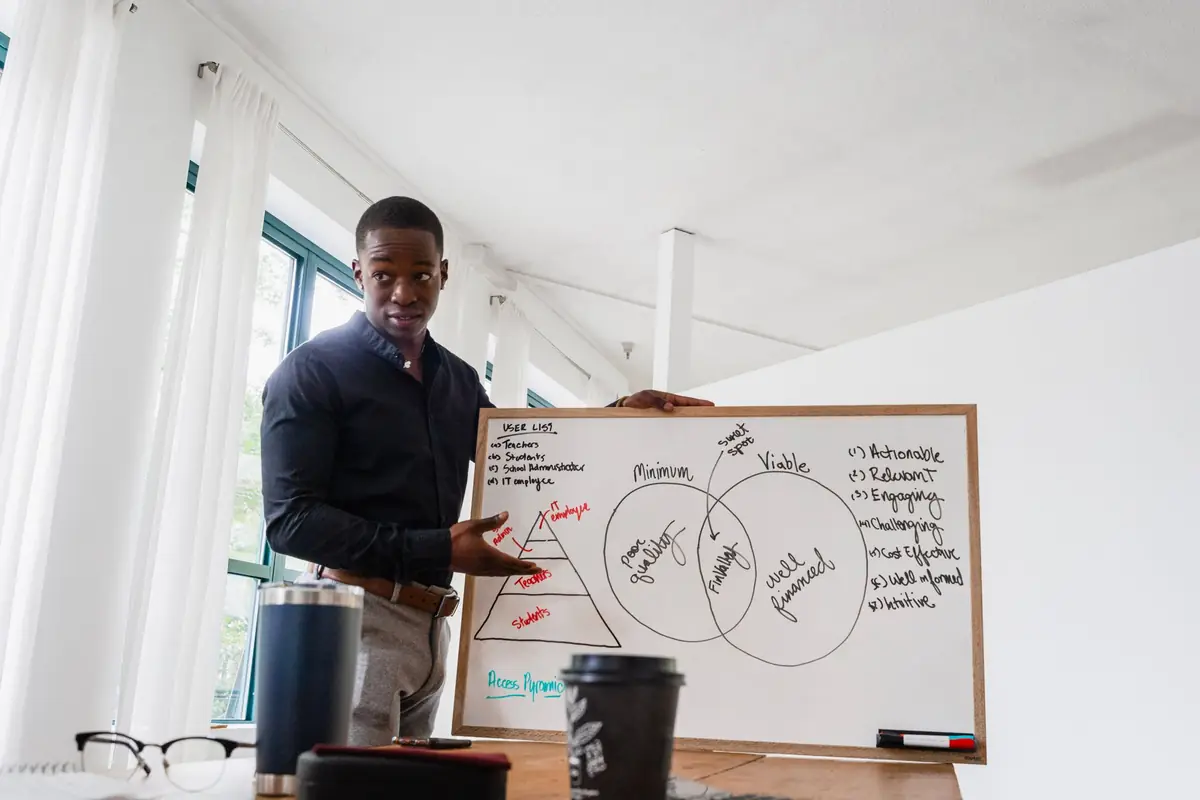
The category the market is most cautious about. Owner-occupied small office still finances well; speculative office does not.
What an underwriter measures
Owner occupancy share, remaining lease term behind it, floorplate flexibility, and parking ratio.
Watch for
Suburban office with short leases and a single tenant is the hardest file on this page. Say so early rather than late.
- Typical equity
- 10% (SBA) · 30–35% (conventional)
- Term
- 5–10 years, then a balloon
- Sensitivity
- Lender appetite moves faster here than in any other category
Investment
Small-balance multifamily
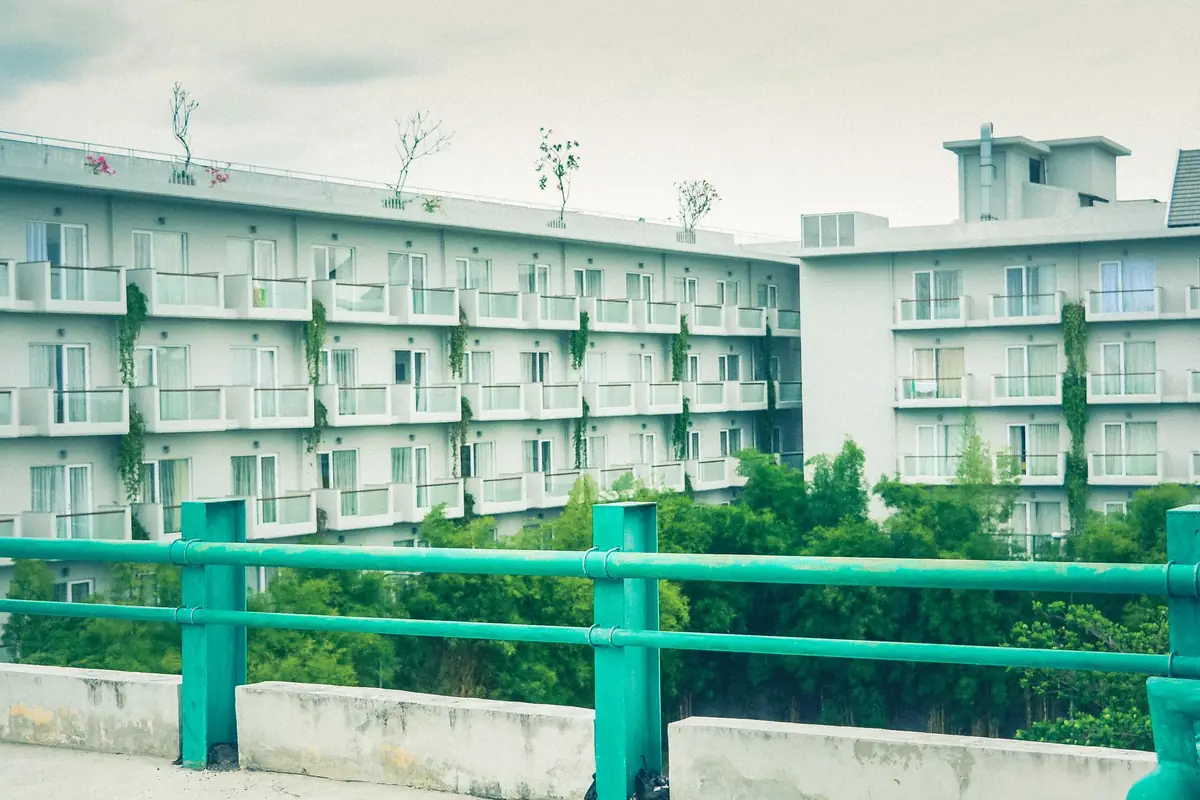
Not owner-occupied lending, and included honestly: many of the businesses we work with hold a small apartment building in the same family entity.
What an underwriter measures
Rent roll, trailing twelve expenses, underwritten vacancy and reserves, and unit condition.
Watch for
Debt yield binds here more than anywhere else, and rehab plans push a deal out of permanent debt into bridge.
- Typical leverage
- 65–75%
- Amortisation
- 25–30 years
- Reserves
- $250–$300 per unit per year, underwritten regardless of the seller budget
Illustrative only. Bollard is a fictional business built as a website demonstration — the figures below are worked examples, not an offer, a quote or a rate sheet.
Next bay
Not sure which column you are in
Mixed-use buildings, partly leased premises and licensed uses are the three that catch people out. Describe the building and we will tell you which market it sits in before you write an offer.
Or call the desk
(816) 555-0142Monday to Friday, 8am – 6pm Central
A demonstration number in the range reserved for fiction. It does not ring anywhere.